
May 25th, 2026
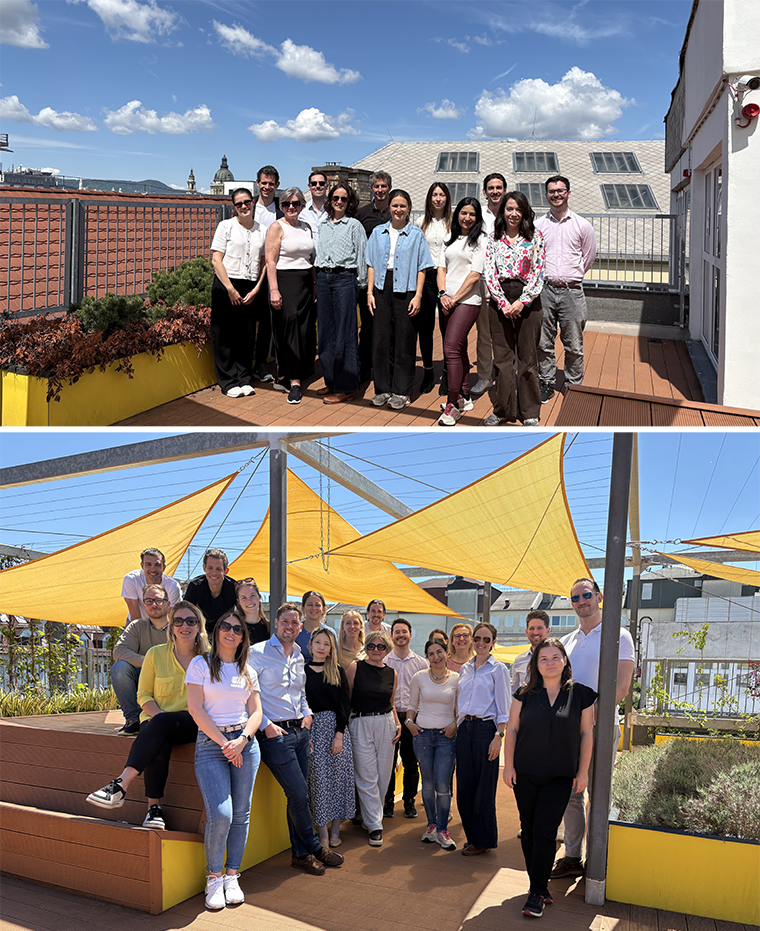
The TALE project team convened at ELTE – Eötvös Loránd University in Budapest for a two-day meeting, combining a consortium session with a sector-wide community workshop with athletes, researchers, legal professionals and representatives from NADOs, sport federations, the ITA Budapest office, UNESCO and the Council of Europe. The gathering marked an important step in consolidating project progress and translating emerging research findings into meaningful, athlete-centred policy recommendations.
Reviewing Progress and Preparing Final Outputs
The consortium meeting focused on the progress made in the Erasmus+ project, including an update from the Quality Management Board and detailed reports from all work package leaders. Alongside reviewing research findings, the consortium addressed project management challenges and explored mitigation measures to address delays in selected work streams. The remaining six months of the project will prioritise the completion of key deliverables and the translation of findings into practical outputs for the anti-doping community, including recommendations, educational resources, and video materials.
The meeting also addressed dissemination and stakeholder engagement activities. Discussions included the current response rate of the stakeholder survey and potential measures to increase participation among anti-doping organisations and key partners.
A strong emphasis was placed on making project findings accessible beyond academic audiences. This includes the development of practical educational materials and communication strategies aimed at supporting implementation in real-world contexts. As part of this effort, the team also advanced the production of educational video resources. These materials are based on athletes’ real-life experiences and designed to enhance awareness and support education activities within the anti-doping ecosystem.
Community Workshop: From Research to Practice
Following the consortium meeting, a two half-day sector-wide community workshop brought together a diverse group of stakeholders, including athletes, legal professionals, researchers as well as representatives from UNESCO, the Council of Europe, the Budapest office of the International Testing Agency, NADOs.
The workshop applied a participatory approach to validate and further develop the project’s findings. Focal point of the discussion was a fuzzy cognitive map which captured the complex relationships of factors contributing to various harms of competitive in athletes anti-doping contexts.
Participants actively contributed by:
• Reviewing and refining the existing fuzzy cognitive map
• Identifying missing elements
• Suggesting further components and connections between different types of harm.; and
• Ranking factors with direct connection to harms.
The identified harms were translated into an athlete-centred framework. The expert-driven ranking of key factors helped strengthen the robustness of the map and ensured that future recommendations are grounded in both research evidence and professional experience.
Developing Practical Recommendations
Embedded in the presented TALE understanding of the Athletes Vulnerability Concept, discussions continued the second day in a World Café format, focusing on four thematic areas:
• Sanctioning processes
• Reintegration pathways
• Preventive educational strategies related to anti-doping rule violations
• Future research priorities
Participants formulated short-, medium-, and long-term recommendations aimed at improving current systems and addressing identified athletes’ vulnerabilities. Key themes emerging from the discussions included:
• The need for clearer communication throughout anti-doping procedures
• Improved psychological and legal support for athletes
• More transparent and structured reintegration pathways
• The importance of realistic, accessible education materials reflecting athletes lived experiences
Overall, the workshop provided valuable insights to further refine athlete-centred approaches and develop practical tools for the anti-doping community.
“This meeting was an important moment to step back and listen – not only to the research findings, but also to the perspectives of different stakeholders. What stood out was how strongly the experiences of athletes resonate across the system, and how much potential there is to translate these insights into more meaningful support and education.” said Cornelia Blank, Principal Investigator of the TALE project.
Next Steps
The TALE project now enters its final phase, focusing on:
• Finalising remaining deliverables
• Refining the vulnerability framework
• Integrating workshop outcomes into practical recommendations and educational materials
A “train-the-trainer” workshop is planned as part of an online conference in December 2026, where the project findings will be presented. The final consortium meeting will take place in Vienna on 3–4 December 2026.
April 17th, 2026
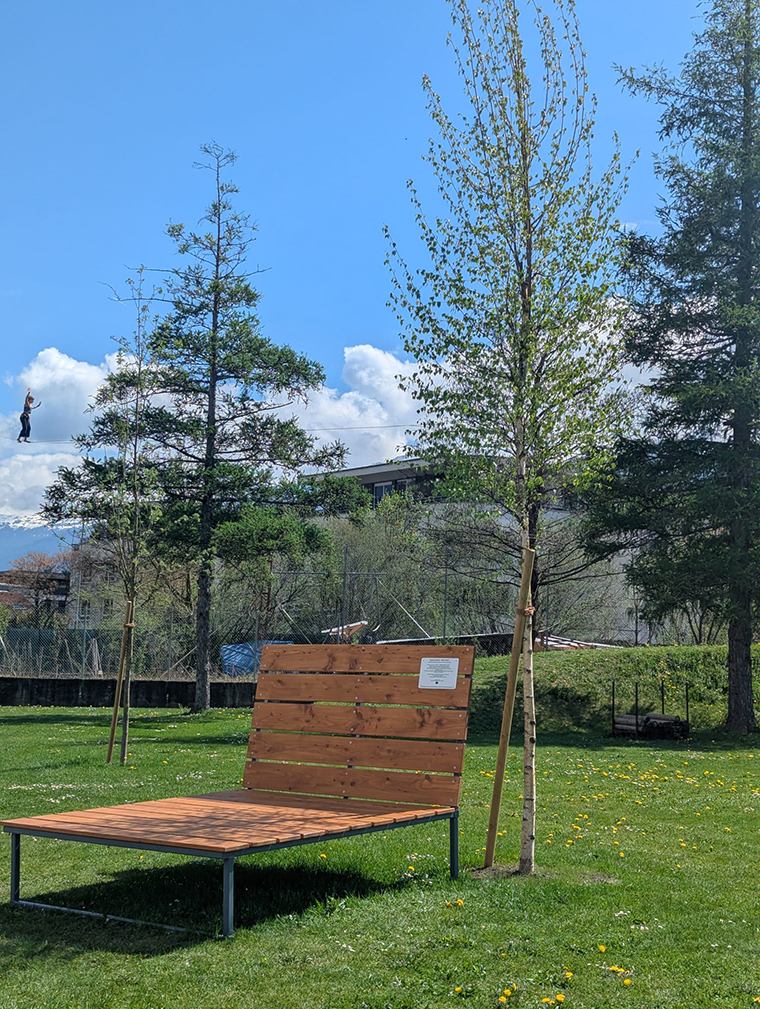
On the occasion of WADA’s Play True Day on 17 April, a tree was planted at the Sport Campus of the University of Innsbruck as part of the international Erasmus+–funded research project TALE – What About Us (www.athletes-tale.eu). More than a ceremonial act, the planting marks a symbol of fairness, dignity, and new beginnings after difficult experiences.
TALE – What About Us is a research project led by the University of Innsbruck and co-funded by the European Union and the World Anti-Doping Agency (WADA). The project focuses on the human side of anti-doping by exploring what happens to athletes after an anti-doping rule violation, how sanctions affect their lives, and how education, policy, and practice can better support athletes navigating the complex demands of anti-doping - while continuing to protect clean sport.
The tree planted, a Silver Birch (Betula pendula), was chosen for its symbolism. Often associated with resilience, renewal, and transformation, the birch reflects the reality of athletic careers, where setbacks, loss, and recovery are part of the journey. Like the athletes whose stories are explored in the TALE project, the tree reminds us that growth often follows adversity. Protecting clean sport is not only about rules and controls; it is also about how we treat people, how we acknowledge mistakes, and how we create space for learning, repair, and reintegration.
By linking this action to Play True Day, the TALE project highlights shared values of integrity, respect, and responsibility in sport, and beyond. A small plaque placed beside the tree invites passers-by to pause and reflect, reminding them that behind every decision, sanction, or success in sport, there is always a human story.
The University of Innsbruck is proud to host this symbolic action, connecting global research with local space. The tree stands as a lasting reminder that playing truly fair also means acting with empathy, inclusion, and a long-term vision for sport and society alike.
Questions to the project can be directed to Priv.-Doz. Dr. Cornelia Blank
(cornelia.blank@uibk.ac.at).
June 2nd, 2025
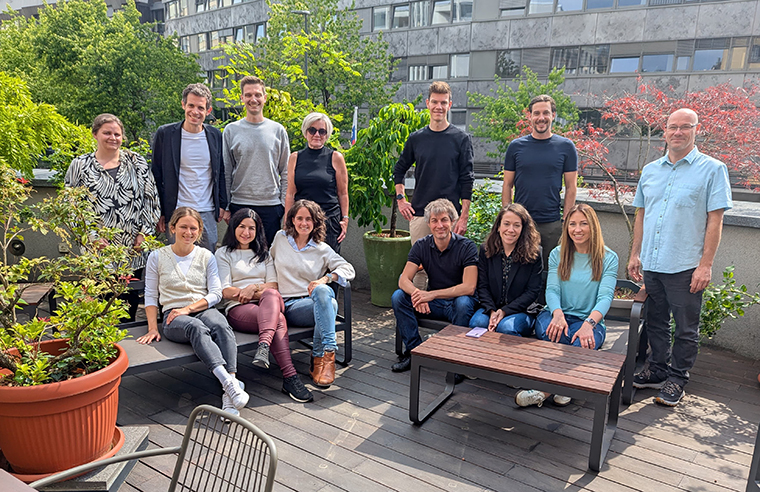
The “TALE-What about us?” team gathered for a two-day hybrid meeting in Ljubljana to reflect on progress, tackle challenges, and plan the next steps in the project venture.
Main Outcomes
Status reports by all work package leaders were provided. A number of scientific publications are in preparation. The team at the University of Münster is aiming to publish the outcomes of their efforts in work package 3. Ongoing interviews in work package 2 are providing valuable insights into sanctioned athletes’ personal journeys. To ensure diversity of the sample, the recruitment of sanctioned athletes will continue until August 31, 2025, with a final outreach campaign launched on social media. The group defined the framework for the implementation of work package 4 and agreed on the key stakeholders of the community to be included. It was further agreed that the project team will work on a synthesis of all available evidence to formulate policy recommendations together.
Outlook
Kicking off work package 5, the meeting featured a hands-on workshop by the team of NADA Austria, exploring real-life doping scenarios and potential support strategies. The aim was to set in motion the process of the work package and provide potential insights to shape educational materials, including video resources co-created with athletes.
The team plans to propose planting a tree to honour all athletes impacted by sanctions and commemorate the ongoing need for raising awareness of everything “TALE-What about us?” stands for.
Next Steps
The next team meeting is planned online for December 10, 2025. The consortium will reconvene in person in Budapest in 2026.
June 17th, 2024
As of 1st of June 2024 we are happy to welcome the University of Innsbruck (UIBK) as our newest addition to the TALE team. The UIBK’s Department of Sport Science, led by Prof. Dr. Martin Schnitzer, is our new coordinating partner. We therefore have a new home base for the project and also expanded our project network even further. Thank you, UIBK for the warm welcome!
UMIT TIROL, our former very much valued coordinating partner, will of course remain part of the project family and provide ongoing support as associated partner. This means that UMIT TIROL will continue to help us to ensure that all of TALE’s data protection protocols continue to be followed, securely store our research data and provide support in the dissemination of TALE.
March 12th, 2024
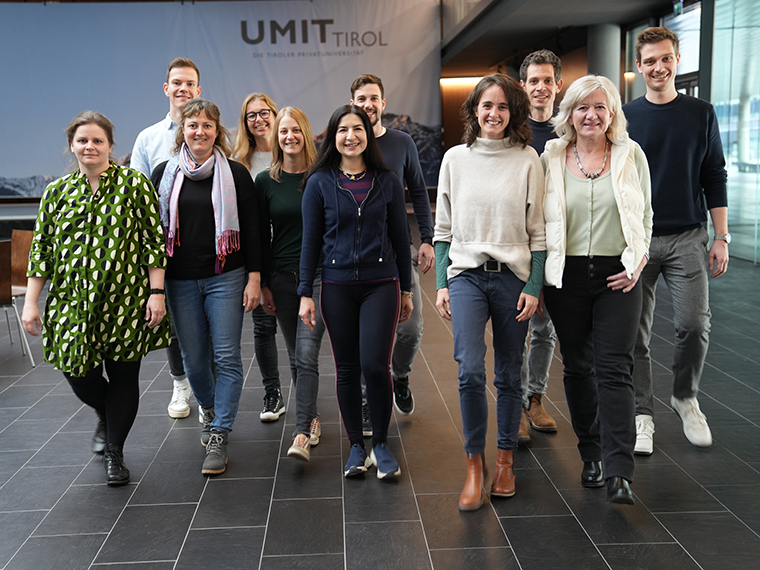
2 days, 11 minds, plenty of fruitful discussions and a plan for the next 3 years. Together we met at UMIT TIROL, the leading university in the EU and WADA-funded project. Surrounded by the beautiful backdrop of the Tyrolean mountains, we discussed our joint approach and the next steps for 2024. As a direct result of the discussions on the topic of communication, our social media channels on Instagram and LinkedIn have already been set up (see links at the bottom of the page). We are excited to work together and drive this project forward together.
TALE® - 2024 • Parts of the project are co-funded by WADA


